


Delicious Distinctive Da Capo Click to visit the Da Capo site
Recipes

Black Bean Cakes with Mango Salsa

photo © Firefly Photography

Neal Barnard, M.D. & Robyn Webb

Black Bean Cakes with Mango Salsa

Makes 4 servings
Preparation time: 30 minutes
Cook time: 30 minutes

This dish is bright, delicious, and versatile. You can serve the cakes as bigmouth
burger patties or bite-size appetizers.

For the bean cakes:
½ cup hot or mild salsa
2 teaspoons ground cumin
2 (15-ounce) cans black beans, drained
1½ cups bread crumbs
¼ cup finely chopped scallions
Kosher or sea salt to taste
Black pepper to taste
Vegetable oil cooking spray

For the Salsa:
2 ripe mangoes, peeled and cubed
¼ cup finely chopped red onion
¼ cup finely chopped red bell pepper
2 tablespoons finely chopped scallions
2 tablespoons finely chopped fresh cilantro
2 tablespoons fresh lime juice
2 teaspoons sugar or agave nectar
Pinch of cayenne pepper

1. Preheat the oven to 200°F. Combine the salsa, cumin, and black beans in a food processor and pulse until smooth. Add 1 cup bread crumbs, scallions, salt, and black pepper.

2. Divide the mixture into small patties, roughly ⅛ cup each. Dredge the patties in the remaining ½ cup bread crumbs. Set the patties on a tray and refrigerate for 30 minutes.

3. While the bean cakes chill, combine all salsa ingredients and refrigerate until serving time.

4. Heat a nonstick large skillet over medium heat. Using cooking spray throughout the sauté process, sauté the cakes for about 3 minutes per side, watching carefully so the cakes don’t burn. Place the cakes on a baking sheet and place in the 200°F oven until all cakes are prepared. Serve the cakes with the salsa.


Click for printer-friendly version in a new window

From The Get Healthy, Go Vegan Cookbook
by Neal Barnard, M.D. & Robyn Webb
published by Da Capo Lifelong

rule

Mediterranean Wrap with Red Pepper Hummus (Bean-free)

photo © Tyler Golden

Ani Phyo

Mediterranean Wrap with Red Pepper Hummus (Bean-free)

Makes 4 wraps

This recipe uses collard leaves for wrapping up vegetables, such as spinach, zucchini,
black olives, and avocado, with a delicious Red Pepper Hummus.

2 large collard leaves
2 cups spinach, washed well
½ recipe Red Pepper Hummus (page 184)
1 ripe avocado, pitted and sliced
½ cup zucchini, cut into long, thin spears
¼ cup pitted, chopped black olives

Cut the leaves away from the thick center stem of each collard leaf to make a total
of four flat pieces.

Top each collard section with spinach leaves. Then, spoon Red Pepper Hummus
across the bottom edge of the shorter width of each leaf. Top with avocado, zucchini,
and black olives. Roll up into a wrap and serve.

Will keep for up to a day at room temperature, or store for a day or two in the
fridge.

RED PEPPER HUMMUS (BEAN-FREE)

Makes 2 cups

This hummus is made using tahini, as in traditional recipes, but instead of chickpeas,
I use red bell pepper and a pinch of cumin for a richer flavor. Sesame powder helps
absorb some of the excess liquid from the juicy bell pepper.

½ cup sesame seeds, ground into a powder
2 teaspoons chopped garlic
1 teaspoon sea salt
2 cups seeded and diced red bell pepper
⅓ cup tahini
¼ cup lemon juice
½ teaspoon ground cumin

In a food processor, process the sesame seeds, garlic, and salt into small pieces.
Add the remaining ingredients and process until smooth.

Will keep for 2 days in the fridge.


Click for printer-friendly version in a new window

From Ani's Raw Food Essentials
by Ani Phyo
published by Da Capo Lifelong

rule

Tostones with Avocado and Palm Ceviche

photo © Angie Gaul

Terry Hope Romero

Tostones with Avocado and Palm Ceviche

Serves 4 as a side or appetizer
Time: About 30 minutes, not including marinating time
Gluten Free, Soy Free

This is not a true ceviche, in the sense that nothing gets “cooked” by the citrus juice. But this zippy salad of creamy hearts of palm and avocado is a vegan riff on the traditional seafood ceviche filling for tostones rellenos, the fun Cuban snack of fried tostones formed into a cup, which is convenient for holding tasty fillings. A special variation of a tostonera is needed to make the tostone cups, but this filling is just as delectable scooped up with traditional flat tostones.

Tip: Look for organic, sustainably grown hearts of palm in glass jars or cans. If you can score actual fresh hearts of palm marinate them in the lime juice dressing for 20 minutes first and then stir in the avocado before serving with the tostones.

1 (14-ounce) jar or can of hearts of palm, drained and rinsed
1 large ripe red tomato (½ pound), seeded and diced finely
1 small red onion, peeled and diced finely
2 tablespoons lime juice
1 tablespoon white wine vinegar or more lime juice
1 tablespoon olive oil
2 tablespoons finely chopped fresh cilantro
1 teaspoon dried oregano
½ teaspoon salt
1 large ripe avocado
4 green unripe large plantains prepared as tostones (page 118)

1. Slice each palm heart down the center vertically, then slice into ½-inch pieces and place in a mixing bowl. Add the tomato and onion. Pour the lime juice, white wine vinegar, olive oil, chopped cilantro, oregano, and salt on top and mix well. Chill for 30 minutes to blend the flavor.

2. While the “ceviche” is chilling, prepare your tostones. Just before serving, peel and remove the seed from the avocado. Finely dice and thoroughly fold into the ceviche, making sure it’s covered with the dressing. Mound the ceviche into serving cups and serve immediately with the hot tostones, or fill the tostone cups if you happen to have a special tostonera for making the cups.


Crispy Fried Green Plantains
(Tostones)

1 serving per fried plantain
Time: Less than 30 minutes, not including the optional soaking
Gluten Free, Soy Free

Crunchy slabs of fried green plantains pull together most any Latin meal. They also make addictive snacking or appetizers served lightly salted or with a garlicky mojo (page 128), Spicy Salsa Golf (page 53), veggie ceviche (pages 59–61), or even dipped in Chocolate-Chile Mole Sauce (page 51). Fried plantains have different names (tostones, patacones, tajadas, mariquitas) and shapes depending on the country—this version is for the wildly popular (in New York City at least) tostones style, a twice-fried green slice that’s smushed down just prior to a second frying to create a thinner and extra-crunchy treat. Tostones are a huge feature of Latin Caribbean cuisine and can even be found floating in soups or transformed further into Mofongo (page 120).

Tip: For best results, use very green and firm plantains. If they have softened, then leave them alone for a few more days and make Fried Sweet Plantains (page 115).

Vegetable oil, such as peanut or high-heat canola blend, for deep-frying
1 very green and firm plantain per serving
Salt

1. Pour at least 2 inches of oil into a large, heavy pot (a cast-iron Dutch oven is ideal) and preheat over medium-high heat. Cover a large plate with paper towels or crumpled brown paper, for draining the hot tostones. The oil is hot enough when a very small piece of raw plantain placed in the hot oil immediately starts to bubble and fry rapidly and quickly; the idea is to use very hot (but never smoking) oil so that the tostones cook evenly without soaking up too much grease.

2. Use plantains that are deep green, very firm, and with no yellow spots. On a cutting board, use a sharp paring knife to slice both ends off a plantain and slice a shallow cut—just through the skin only—from one end of the plantain to the other. If the skin seems particularly hard, run another cut opposite the first. Use your thumbs or the edge of a butter knife to pry off the skin, working your fingers or the dull blade under the peel. Green plantain skins can be a little stubborn at times; if any tiny bits of peel remain, remove them.

3. Diagonally slice the plantain into 1 ½-inch-thick pieces. The greater the angle you slice, the longer and the bigger your final tostones will be. Slide into the hot oil and fry for 4 to 5 minutes, flipping once. Remove from the oil and place on the paper-lined plate to drain for about 2 minutes. I usually fry one plantain at a time this way, putting in new slices while the formerly frying ones rest.

4. When the fried slices are just cool enough to handle (after 2 to 3 minutes), gently but firmly flatten them so that they are about ⅜ inch thick. Use metal tongs to return the flattened plantains to the frying oil. Fry for another 3 to 4 minutes, turning once, until golden and crisp along the edges. Return to the paper to drain, sprinkle the hot tostones with salt, and serve immediately.


Click for printer-friendly version in a new window

From Viva Vegan!
by Terry Hope Romero
published by Da Capo Lifelong

rule
Black sesame seeds and walnuts
Yuan Wang, Warren Sheir, and Mika Ono

Sticky Sesame and Walnut Balls

Makes 4 to 6 Servings

⅓ cup (about 2 ounces) black sesame seeds
⅓ to ½ cup (about 2 ounces) chopped walnut pieces
3 to 4 tablespoons honey

1. If your sesame seeds aren’t already roasted, toast them in a wide skillet over medium heat, shaking the pan occasionally. Continue frying until fragrant, 3 to 5 minutes. When they are done, transfer the seeds from the hot skillet to a bowl so they don’t overcook, and let cool for at least 1 minute.

2. In a food processor, whir together the sesame seeds, walnuts, and 3 tablespoons of the honey.

3. Roll into ¾-inch balls. If the balls don’t stick together at first, add a little more honey and whir the mixture some more.

4. Serve–and don’t tell anyone how easy this dish was to make!

Themes and Variations: If you aren’t in the mood for something sweet, the black sesame seeds and walnuts can be consumed as a powder, either in spoonfuls or sprinkled on another dish.

Especially Good For: Anyone suffering from insomnia or who wants to slow the onset of gray hair or hair loss. For insomnia, eat two sesame and walnut balls (or 1 tablespoon of the powder) an hour or two before bedtime.

For Those Familiar with Traditional Chinese Medicine: This dish addresses kidney deficiency.


Click for printer-friendly version in a new window

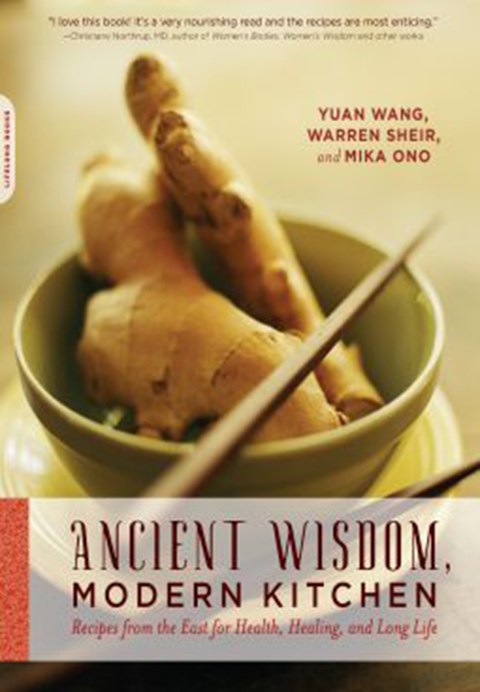
From Ancient Wisdom, Modern Kitchen Recipes
from the East for Health, Healing, and Long Life

by Yuan Wang, Warren Sheir, and Mika Ono
published by Da Capo Lifelong

rule

Cranberry White Chocolate Biscotti

photo © Isa Chandra Moskowitz
and Terry Hope Romero

Isa Chandra Moskowitz & Terry Hope Romero

Cranberry White Chocolate Biscotti

Makes Around 16 Biscotti

A fruity biscotti with tart cranberries, sweet white chocolate chips, a dash of orange, and a hint of allspice. This is perfect for the winter holidays or with some Lady Grey tea. If you don’t have vegan white chocolate chips (page 16), don’t use regular chocolate chips because they would be overwhelming. Instead use macadamia nuts since they’re nice and creamy (for a nut).

⅓ cup almond milk
2 tablespoons ground flax seeds
2 teaspoons orange zest
¾ cup sugar
½ cup canola oil
1 teaspoon pure vanilla extract
1 ⅔ cups all-purpose flour
2 tablespoons arrowroot powder
2 teaspoons baking powder
¼ teaspoon allspice
½ teaspoon salt
½ cup white chocolate chips
½ cup dried cranberries

1. Preheat oven to 350°F. Line a baking sheet with parchment paper.

2. In a large mixing bowl, whisk together the almond milk and flax seeds, beating for about 30 seconds. Mix in the orange zest, sugar, oil, and vanilla. Sift in the flour, arrow root powder, baking powder, allspice, and salt. Stir to combine, and just before the dough comes together knead in the chocolate chips and cranberries. Knead to form a stiff dough. If cranberries and chips pop out just press them back in as well as you can.

3. On the parchment, form the dough into a log and press it into a rectangle about 12 inches long and 4 inches wide. Bake for 26 to 28 minutes till lightly puffed and browned. Let the log cool on the baking sheet for about 30 minutes.

4. Preheat oven to 325°F. Carefully transfer the baked log to a cutting board. With a heavy, very sharp knife, cut ½-inch-thick slices. The best way to do this is in one motion, pushing down; don’t “saw” the slices off or they could crumble. Stand slices, curved sides up, ½ inch apart on baking sheet, and bake for 20 to 25 minutes, until biscotti appear dry and toasted. Transfer the biscotti to a wire rack to cool completely.

Click for printer-friendly version in a new window

From Vegan Cookies Invade Your Cookie Jar
by Isa Chandra Moskowitz & Terry Hope Romero
published by Da Capo Lifelong

rule

Fettuccine with Eggplant and Peppers alla Norma

photo © Judi Swinks

Jacqueline Mallorca

Fettuccine with Eggplant and Peppers alla Norma

Culinary legend has it that this simple but delectable dish was invented by an Italian chef to mark the first performance of Sicilian-born Vincenzo Bellini’s grand opera, Norma, in 1831. Deep-frying the eggplant is traditional, but baking works well and is less caloric and far less work.

Serves 4 as a first course

1 medium globe eggplant, about 3⁄4 pound, trimmed but not peeled
Olive oil spray
Fine sea salt and freshly ground black pepper
2 tablespoons extra-virgin olive oil
1 medium yellow onion, chopped
1 (14–15-ounce) can Italian plum tomatoes, drained (save the juice for another use)
2 garlic cloves, finely chopped
Pinch hot red pepper flakes
10 to 12 ounces gluten-free fettuccine
½ cup loosely packed basil leaves, chopped just before serving
Wedge of Pecorino Romano

Heat the oven to 400°F. Line a large, rimmed baking sheet with aluminum foil.

Slice the eggplant into ¾-inch thick slices and lay them on the baking sheet. Spray each one with olive oil. Turn them over and spray again. Bake until browned on the underside, about 15 minutes, then turn and bake for a further 10 minutes. Season lightly with salt and pepper.

Meanwhile, warm the olive oil in a skillet over moderate heat. Add the onion and sauté until softened, about 5 minutes. Quarter the tomatoes lengthways and then once across, to make large, even chunks, and add to the skillet. Stir in the garlic and hot pepper flakes and season with salt and pepper. Reduce the heat to low and simmer, partially covered, until the liquid has almost evaporated, about 15 minutes, stirring often. Quarter the eggplant slices and add to the sauce.

While the sauce cooks, boil the pasta in salted water, taste testing often, until al dente, about 7 minutes. Add to the sauce with the chopped basil, and toss gently. Divide the pasta among four heated shallow bowls. Garnish with curls of pecorino, shaving them off the wedge with a vegetable peeler.

Click for printer-friendly version in a new window

From Gluten-Free Italian by Jacqueline Mallorca,
published by Da Capo Lifelong

rule

Eggplant Meatballs

photo © Betsy Carson

Toni Fiore

Eggplant Meatballs

Makes 20 to 24, Serving 4 to 6

2 to 3 tablespoons extra virgin olive oil, or more if needed
1 medium onion, diced
1 medium eggplant, unpeeled, cut into ¼ - to ½ -inch dice
1½ cups walnuts, toasted (see page 86) and coarsely chopped (optional)
Fine sea salt and freshly ground black pepper, to taste
2 cups dried bread crumbs
2 large organic eggs, beaten; or ½ cup firm tofu, processed until smooth
½ cup dairy or vegan Parmesan, grated
½ cup grated Pecorino, or vegan cheese
3 garlic cloves, crushed
Zest of 1 lemon
¼ cup chopped fresh parsley or 1 tablespoon dried
1 tablespoon dried oregano
½ cup coarsely chopped basil
vegetable oil spray

Store-bought vegetarian meatballs are expensive—and a bit too bland for my taste. This recipe is the perfect alternative: easy, affordable, and delicious. (It’s also one of the few recipes in which I substitute dried parsley if I don’t have fresh, so do make these even if that’s the one ingredient you’re without.) I drizzle the meatballs with a little basil-oil slurry and serve with a side salad of tomatoes and onions. You can shape them into burgers and serve with Lemony Garlic-Smashed Potatoes. Use leftover meatballs in lasagna or as a taco filling. To give these a Middle Eastern flavor, replace the basil with a generous handful of chopped mint and serve with garlicky Tzatziki.

1. Preheat the oven to 375ºF. Lightly oil a baking sheet.

2. Heat a large skillet and sprinkle in 2 tablespoons olive oil. When the skillet is hot, add the onion and sauté on medium-low until translucent, about 5 minutes. Add the eggplant and a sprinkle of salt and sauté until the vegetables are soft and fragrant, 8 to 10 minutes. If the eggplant dries out too quickly and begins to stick, add a bit more olive oil. Transfer to a large mixing bowl.

3. Add the walnuts, if using, to the eggplant and mix thoroughly. Transfer a generous cup of the eggplant mixture to the food processor. Process until pureed and return to the bowl. Add the bread crumbs, eggs, Parmesan, Pecorino, garlic, zest, parsley, oregano, basil, 1 teaspoon salt, and black pepper and mix well. If the mixture seems too dry, add the remaining tablespoon or more olive oil. Rub a little olive oil on your palms and shape the meatballs with your hands, using 2 heaping tablespoons of the mixture at a time. Each meatball should be about the size of a golfball.

4. Place the eggplant balls on the prepared baking sheet and spray with vegetable oil spray. Bake 25 to 30 minutes, until a deep golden brown with a nice crust. Don’t let them overbake or they will get too dry. Remove the pan from the oven, cover with foil to slightly steam the balls, and allow them to rest for a few minutes.

Click for printer-friendly version in a new window

From Totally Vegetarian by Toni Fiore,
published by Da Capo Lifelong

rule

photo of Grilled Vegetable Stromboli

photo of Balsamic Strawberries

photos © Michelle Ellis

Jennifer McCann

Grilled Vegetable Stromboli

(Italy)

Typically, this Italian rolled sandwich is made with a filling of cheese and meat, but I like a filling of grilled eggplant and zucchini instead. Next time you pull out the grill for a vegan BBQ, you can throw on a few extra veggies and save them for stromboli.

Makes 4 Servings

1 large eggplant
2 medium zucchini
Kosher salt as needed
Olive oil for grilling
1⅛ cups warm water (110°F)
1 tablespoon active dry yeast
Pinch of sugar
2 tablespoons olive oil
1 teaspoon kosher salt
2 ½ to 3 cups all-purpose flour or white bread flour
1 head of Roasted Garlic (see page 64)
Italian herb seasoning mix, to taste
Salt and freshly ground black pepper, to taste
½ teaspoon poppy seeds

To make the vegetables, trim off the tops of the eggplant and zucchini, then slice them lengthwise into strips, cutting them as thinly as possible (a mandolin may be helpful here). Lay the strips out in a single layer and sprinkle both sides of them with salt. Let the strips sit for 30 minutes (this will help remove some of the moisture from the vegetables).

Heat a nonstick grill or grill pan. Pat the vegetables dry and brush them lightly with olive oil. Grill, turning halfway, until the strips are soft and have brown grill marks. Set the vegetable strips aside to cool, or refrigerate until needed.

To make the dough, place the warm water in a mixing bowl. Sprinkle the yeast and sugar into the warm water and stir well. Let the mixture sit for 5 minutes to dissolve the yeast.

Add the olive oil, salt, and 2 cups of the flour. When the dough begins to form a ball, turn the dough out onto a lightly floured surface and knead. As you knead, add just enough of the remaining flour to keep the dough from sticking. Knead for about 10 to 15 minutes, until the dough is smooth, elastic, and supple.

Place the dough in a well-oiled mixing bowl, turning to cover the top of the dough with some of the oil. Cover with plastic wrap and a kitchen towel, and place in a warm, draft-free place to rise until doubled in bulk, about 1 hour.

Preheat the oven to 375°F. Line a baking sheet with parchment paper, spray with nonstick spray, and set aside.

Turn the dough out onto a lightly floured surface and roll into a flat rectangle, about 10 x 12 inches.

Squeeze all the roast garlic out into a small bowl and mash together with a fork. Spread the mashed garlic across the surface of the dough and top with one or two layers of grilled vegetables. Sprinkle with the Italian herbs, salt, and pepper.

Roll up the bread (like rolling up a cinnamon roll) to form a long narrow loaf, pinching the seam and ends closed. Place on the prepared baking sheet. Brush the top of the loaf with a little water and sprinkle with poppy seeds.

Bake 30 minutes, until the loaf is nicely browned. Allow to cool before slicing.

VARIATION: Feel free to substitute other grilled vegetables, such as bell peppers strips, onions, or thin slices of portobello mushroom, for the eggplant and zucchini. Just make sure that all vegetables are sliced thinly and grilled well. If your filling is too thick or too wet, you’ll have a soggy Stromboli on your hands.

QUICK AND EASY VARIATION 1: Use prepackaged pizza or bread dough from the store.

QUICK AND EASY VARIATION 2: Substitute vegan turkey or ham deli slices and slices of vegan cheese for the grilled vegetables and roasted garlic.

Allergen Information: Soy-free, nut-free. Contains gluten and wheat.

Balsamic Strawberries

You can make cheap, watery balsamic vinegar from the grocery store taste like expensive, well-aged balsamico by reducing it a bit on the stovetop. Add a touch of sugar and lemon and you have a wonderful topping for fruit.

Makes 4 Servings

½ cup balsamic vinegar
3 tablespoons sugar
1 ½ teaspoons freshly squeezed lemon juice
2 pounds (about 4 cups) fresh strawberries, hulled and halved

Combine the vinegar and sugar in a small saucepan (note: don’t use an aluminum saucepan for this one or the taste will be off). Bring to a boil over high heat and simmer until syrupy and reduced by half, about 5 minutes.

Pour the balsamic mixture into a small bowl and add the lemon juice. Allow to cool completely (the syrup can be made a day ahead and stored in the refrigerator).

Drizzle cooled syrup over the strawberries.

Allergen Information: Gluten-free, wheat-free, soy-free, nut-free.

Click for printer-friendly version in a new window

From Vegan Lunchbox Around the World by Jennifer McCann,
published by Da Capo Lifelong

rule
photo of Fajitas Bonitas
Mark Reinfeld & Jennifer Murray

Fajitas Bonitas


Serves 4 to 6

This dish can be made regularly because it is so simple and yet impressive. We love the flavor and meatiness of the mushroom here, but the recipe also works well with tofu or tempeh instead of the Portobello. Taking the time to serve with rice and beans would make the meal even more traditional. Salsa (page 82), Vegan Sour Cream (page 289), and sliced avocado or Guacamole (page 88) also go well with fajitas.

6 whole-grain flour tortillas
2 tablespoons olive oil
2 large garlic cloves, pressed or minced
1 yellow onion, cut into half-moon slices
1 red bell pepper, seeded and cut into ½-inch strips
1 green bell pepper, seeded and cut into ½-inch strips
2 Portobello mushrooms, cut into ½-inch strips (about 8 ounces)
1 teaspoon seeded and minced jalapeño, or to taste (optional)
½ cup corn, either frozen or fresh off the cob (optional)
2 teaspoons ground cumin
1 teaspoon chile powder
¼ teaspoon cayenne, or to taste
1 teaspoon sea salt, or to taste
½ teaspoon black pepper, or to taste
1 tablespoon soy sauce
2 cups thinly sliced lettuce (about 4 ounces)
1 cup cubed and seeded tomato

1. Preheat the oven to 200°F. Place the tortillas on a baking tray or a plate and cover them with a moist towel to warm them up without drying them out. Let them heat up gently while you make the rest of the meal.

2. Using a large skillet or wok, sauté the olive oil, garlic, onion, red and green bell peppers, mushrooms, and jalapeño, if using, over medium heat for about 5 minutes, or until the peppers are bright and soft, stirring occasionally. Add the corn, if using, cumin, chile powder, cayenne, salt, pepper, and soy sauce, and cook for 5 minutes more, or until all veggies are cooked through.

3. Remove the tortillas from the oven. Serve the sautéed vegetables, lettuce, and tomatoes in separate bowls along with the warm tortillas still under the towel, and let everyone make his or her own.

Variations

• Add 8 ounces of extra-firm tofu or tempeh, cut in strips, to the recipe after the onions in step 2. You can try roasting them for extra flavor (see page 28), in which case you can toss them in at the end or serve on the side as an optional ingredient.

• Substitute 8 ounces of seitan for the Portobello mushrooms and add to the recipe after the onions in step 2.

• If you have more time, serve the fajitas with the Taco Filling (page 228).

Click for printer-friendly version in a new window

From The 30 Minute Vegan by Mark Reinfeld and Jennifer Murray,
published by Da Capo Lifelong

rule

photo of Puttanesca Scramble

Isa Chandra Moskowitz

Puttanesca Scramble


Serves 4

Inspired by the classic Italian dish, pasta puttanesca, this scramble is screaming with flavor.

Olives, capers, and plenty of fresh herbs make for an easy-to-throw-together scramble that tastes like a Mediterranean feast you’ve been slaving over for hours. This pairs well with Potato Spinach Squares (page 116 of Vegan Brunch).

2 tablespoons olive oil
6–8 garlic cloves, thinly sliced
½ teaspoon crushed red pepper flakes
1 pound extra-firm tofu, diced
4 Roma tomatoes, diced
2 tablespoons fresh thyme
2 tablespoons fresh oregano
½ cup mixed olives, roughly chopped
1 tablespoon capers
¼ teaspoon salt, or to taste

Preheat a large, heavy-bottomed pan over medium heat. Sauté the garlic in the olive oil until lightly browned, but be careful not to burn. Three minutes ought to do it. Add the red pepper flakes and the tofu and sauté for about 10 minutes, until tofu is browned. Add a little extra oil if necessary.

Mix in tomatoes, thyme, and oregano and cook for about 5 minutes, until tomatoes are a bit broken down but still whole. Add olives, capers, and salt. Cook just until heated through.

Click for printer-friendly version in a new window

From Vegan Brunch by Isa Chandra Moskowitz,
published by Da Capo Lifelong


rule

photo of Carbo Walnut Cookies

photo © Seth Beck

Ani Phyo

Carob Walnut Cookies


Makes 8 to 12 Cookies

Sweet raisins, malty carob, and rich walnuts are ground together to make a delicious, dark, sweet cookie. Packed with antioxidants, vitamin E, and EFAs, these cookies keep you trim and your skin radiant.

1 cup raisins
¾ cup raw walnuts
¼ cup raw carob powder
1 teaspoon mesquite powder (optional)
⅛ teaspoon sea salt

Combine the raisins, walnuts, carob powder, mesquite powder if using, and salt in the food processor. Process until the dough begins sticking together.

Press the dough into 2-inch cookie cutters placed on a sheet tray llined with parchment paper. Shoot for a thickness of ⅓- to ½-inch. Or, make 1- to 1 ½-inch balls and flatten.

Place the cookies in the freezer to chill and firm up for 30 minutes or more before serving or transferring to the fridge for serving later.

Will keep for many weeks in the fridge or freezer. Thaw 5 minutes before eating.

Click for printer-friendly version in a new window

From Ani's Raw Food Desserts by Ani Phyo,
published by Da Capo Lifelong


rule

Black-Eyed Pea Fritters with Hot Pepper Sauce

photo © Sara Remington

Bryant Terry

Black-Eyed Pea Fritters with Hot Pepper Sauce

Yield: 4 to 6 servings

Soundtrack: “I.T.T., Pt. 2” by Fela Kuti from The Best Best of Fela Kuti

Art: “Three Wise Men Greeting Entry into Lagos” by Kehinde Wiley

Books: How Europe Underdeveloped Africa by Walter Rodney (Howard University Press, 1981) and Graceland by Chris Abani (Picador, 2005).

While bean fritters are thought to have their origin in Nigeria, one can find them throughout West Africa. Inspired by the Black-Eyed Pea Fritters served at the Gambian-Cameroonian restaurant Bennachin in New Orleans, I whipped up this dish.

1 cup dried black-eyed peas, sorted, soaked overnight, drained, and rinsed
½ medium onion, diced
½ cup raw peanuts
1 teaspoon minced thyme
¼ teaspoon cayenne
1 tablespoon apple cider vinegar
¼ cup plus 2 tablespoons water
1 teaspoon coarse sea salt
½ cup finely chopped green bell pepper
1 tablespoon cornmeal
5 cups coconut oil

Remove the skins from the beans by adding them to a large bowl, filling the bowl with water, agitating the beans, and fishing out the skins that float to the top with a fine mesh strainer. Rinse beans well.

In a food processor fitted with a metal blade, combine the beans, onion, peanuts, thyme, cayenne, vinegar, water, and salt and pulse until completely smooth. Transfer to a medium bowl, cover, and refrigerate for 1 hour.

Preheat the oven to 200°F.

Remove the batter from the refrigerator, add the bell pepper and cornmeal, and beat with a wooden spoon for 2 minutes.

In a medium-size saucepan over high heat, warm the coconut oil until hot but not smoking, about 5 minutes.

Lower the oil to medium high, and in batches of 5, spoon the batter into the oil, 1 tablespoon at a time. Fry, stirring around, until golden brown, about 2 minutes. If necessary, adjust the temperature to ensure that the fritters do not cook too quickly.

Transfer the fritters to a paper towel-lined plate and allow them to drain. Transfer the drained fritters to a baking sheet and place in the oven to keep warm.

Serve hot with Hot Pepper Sauce.


Hot Pepper Sauce

Yield: 1 cup

Soundtrack: “Hot Lava” by Kudu from Death of the Party

This is my attempt to replicate the oh-so-slammin’ hot sauce at the Senegalese restaurant Joloff, my favorite eatery in New York City. This version is only slightly hot, but if you really want that fire add 1 more habañero chile.

¼ cup extra-virgin olive oil
1 small red onion, diced
½ teaspoon cumin
⅛ teaspoon cayenne
Coarse sea salt
1 large garlic clove, minced
1 habañero chile, minced
¼ cup tomato paste
¼ cup tomato sauce
2 teaspoons apple cider vinegar
¼ cup water
¼ teaspoon freshly ground white pepper

In a saucepan over low heat, warm the oil. Add the onion, cumin, cayenne, and 1/2 teaspoon salt and sauté until the onions start to caramelize, about 8 minutes.

Stir in the garlic and chile and sauté for 2 minutes more. Add the tomato paste, tomato sauce, vinegar, and water. Mix well, and simmer until it starts to thicken, about 5 to 7 minutes.

Transfer all the ingredients to an upright blender, add the white pepper, and puree until smooth. Season with additional salt to taste. Store in a tightly sealed jar in the refrigerator.

Click for printer-friendly version in a new window

From Vegan Soul Kitchen by Bryant Terry,
published by Da Capo Lifelong


HOME   |    RECIPES   |    AUTHORS   |   IN THE NEWS   | RESOURCES   |   HOLIDAY MENUS   |   CONTACT US
 
  Da Capo Lifelong